Piatra Roșie Fortress
A Dacian stone fortress on Piatra Roșie hill, guarding the capital Sarmizegetusa Regia from the west; UNESCO World Heritage.
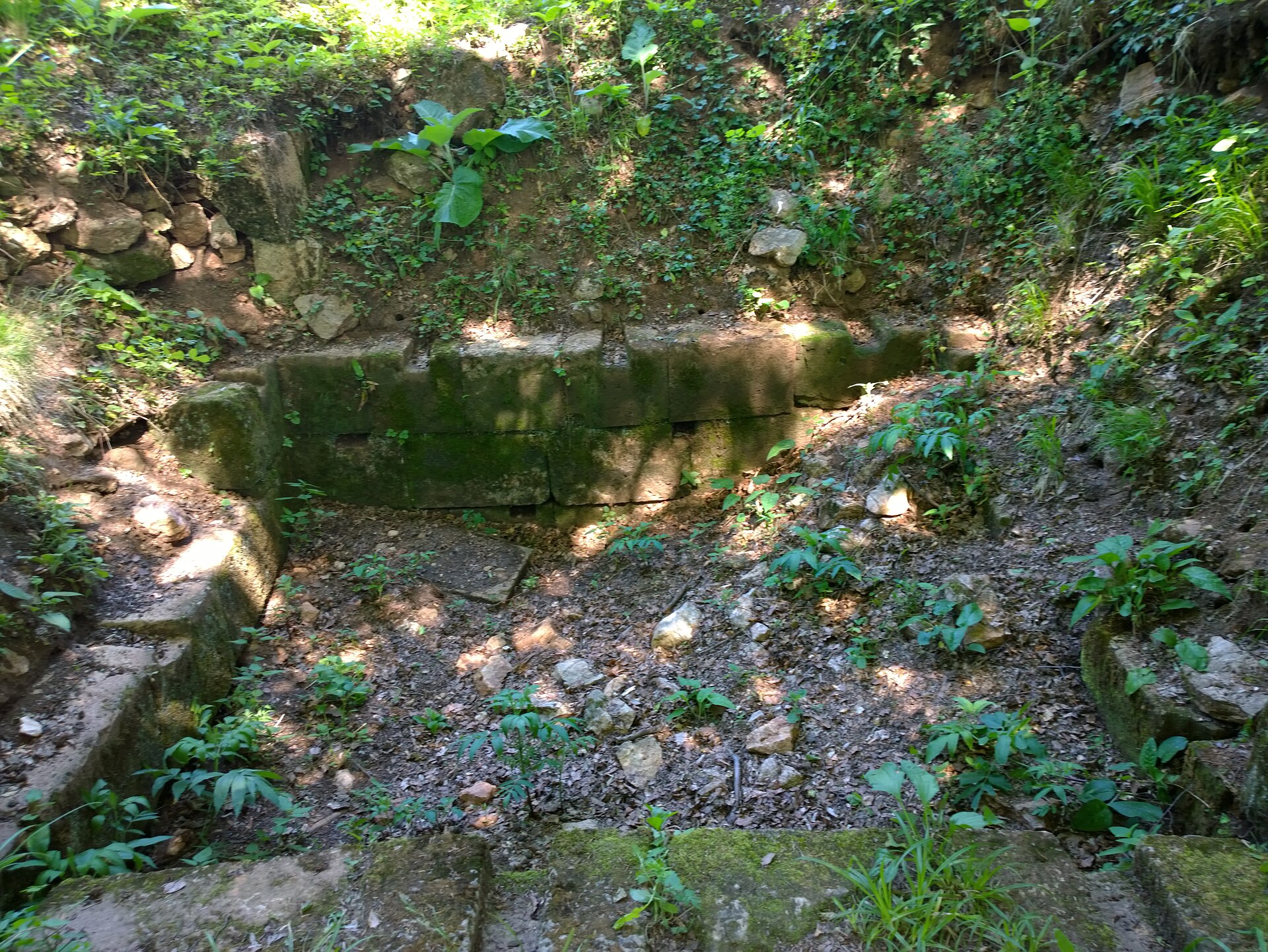
The Dacian fortress of Piatra Roșie (Luncani–Piatra Roșie, “Red Rock”) stands on a hill of about 832 m at Luncani village, Boșorod commune, in the Orăștie Mountains. It was built at the end of the 1st century BC and used in the 1st century AD, as part of the defensive system that protected the Dacian capital, Sarmizegetusa Regia, from the west. It is one of the six Dacian fortresses of the Orăștie Mountains inscribed on the UNESCO World Heritage List.
Built of stone in the Dacian technique of dressed blocks (murus dacicus), the fortress has a rectangular enclosure of about 102 × 45 m, with towers at the corners and one on the east side. It was built in two phases: first the rectangular citadel, then a larger enclosure, for which the hilltop was levelled. The name comes from the reddish stone of the walls, unlike the white limestone of other fortresses. Finds include a Celtic-type iron sword, the covering of a parade shield, a bronze candelabrum and a bronze bust thought to represent the goddess Bendis. The fortress was destroyed by the Romans in AD 106.
That entry does not exist.
← Back