Pui
A commune in the Strei valley, between the Hațeg Country and the Șureanu Mountains, with caves, nature reserves and traces of Neanderthal man.
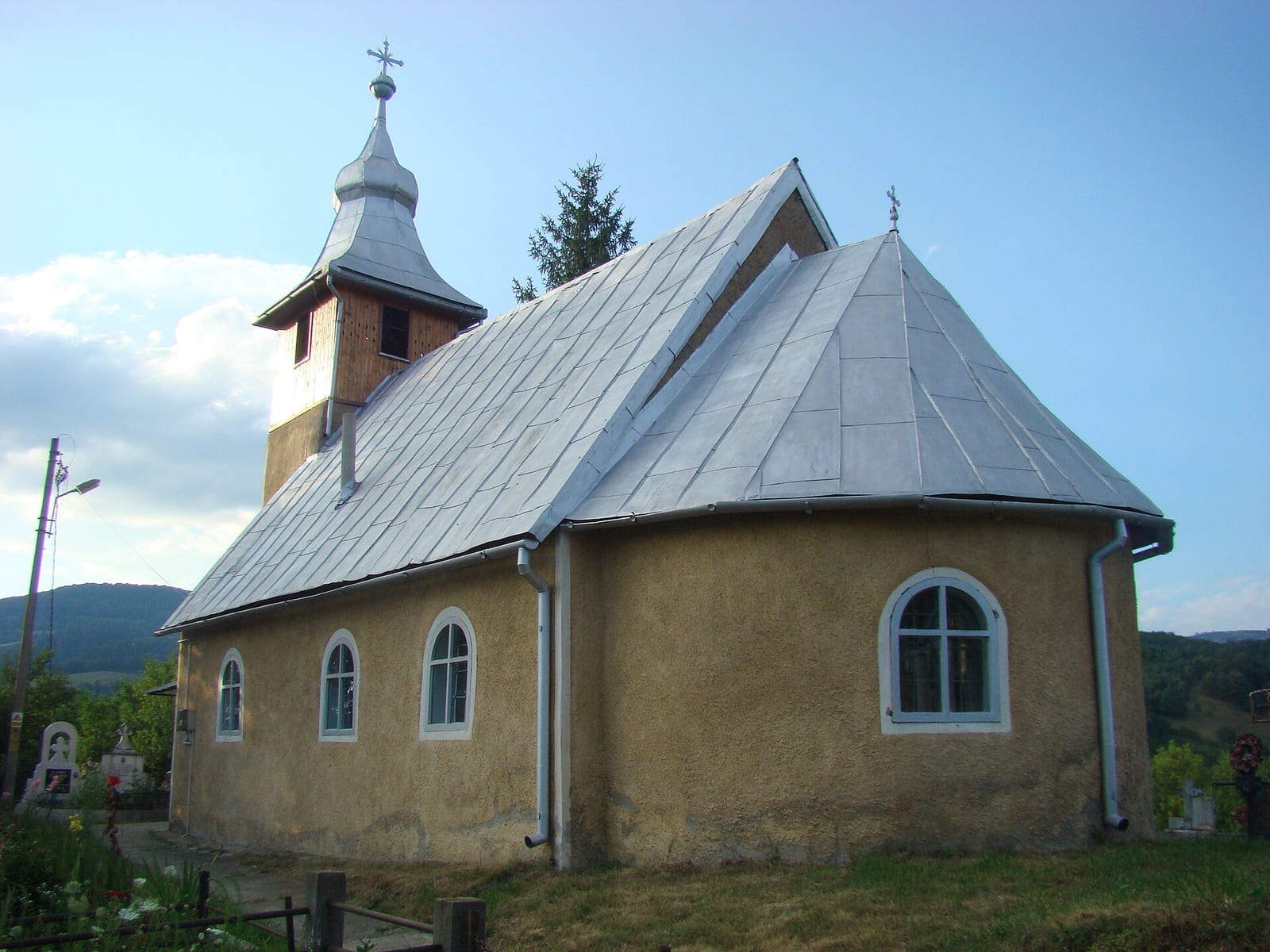
Pui is a commune in the east of the Hațeg Country, made up of Pui (the seat), Băiești, Federi, Fizești, Galați, Hobița, Ohaba-Ponor, Ponor, Râu Bărbat, Rușor, Șerel and Uric. Between 1918 and 1950 it was the seat of Pui district in Hunedoara county.
In Ohaba-Ponor, in the Șureanu Mountains, lies Șura Mare Cave, a nature reserve with a monumental entrance almost 40 m high and more than 6.6 km of explored passages, home to Romania's second-largest bat colony after Huda lui Papară; the interior is recommended only for equipped cavers. Also at Ohaba-Ponor, the fossil site (a 10 ha reserve) has yielded Mousterian tools and three finger bones attributed to Neanderthal man.
The commune also has the Fânațele Pui botanical reserve (13 ha), part of the Hațeg Country Dinosaurs Geopark, the Roman fort at Râu Bărbat and the stone Church of the Descent of the Holy Spirit in Ponor, built in 1769. The red-band trail to the Râușor mountain rescue base, in the Retezat, starts from Pui village.
That entry does not exist.
← BackNearby highlights
All year

Șura Mare Cave
A river cave in Ohaba-Ponor village, in the Grădiștea Muncelului–Cioclovina Nature Park, with a 40 m-high entrance and Romania's second-largest bat colony — for trained cavers only.
Pui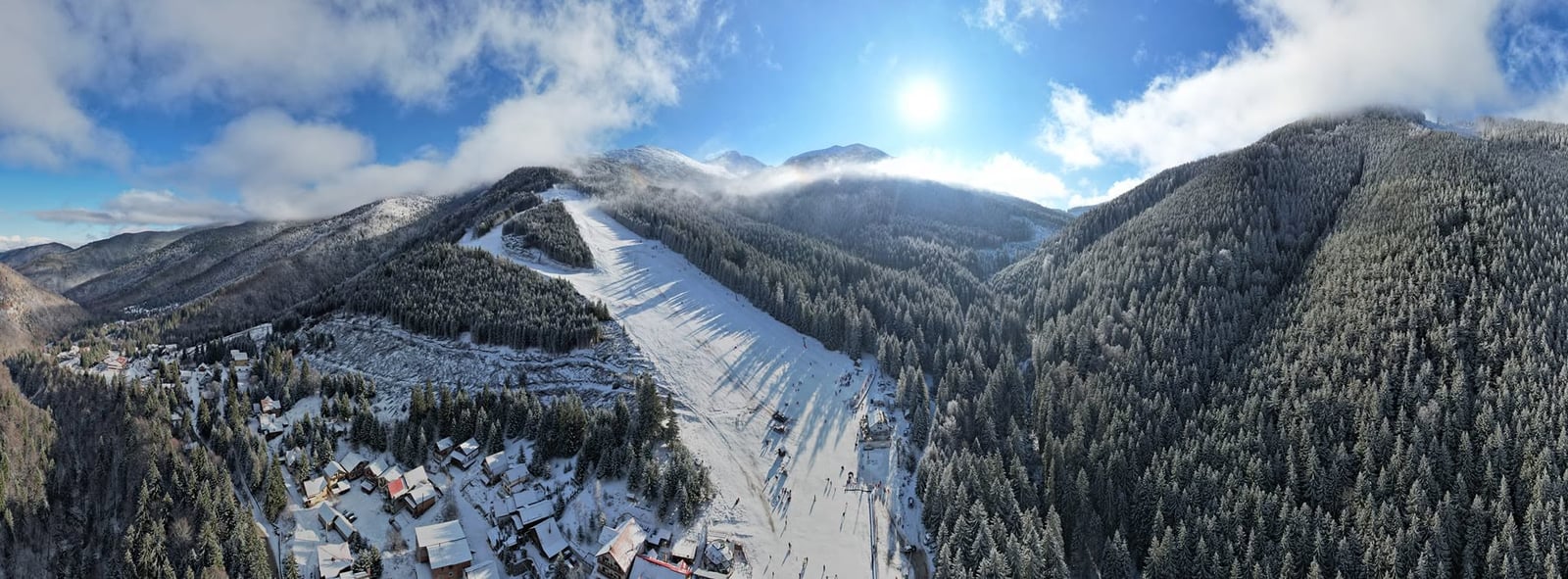
Pui – Râușor Salvamont Base trail
Long access route from Pui to the Râușor Salvamont base, on the northern edge of the Retezat massif.
Retezat National Park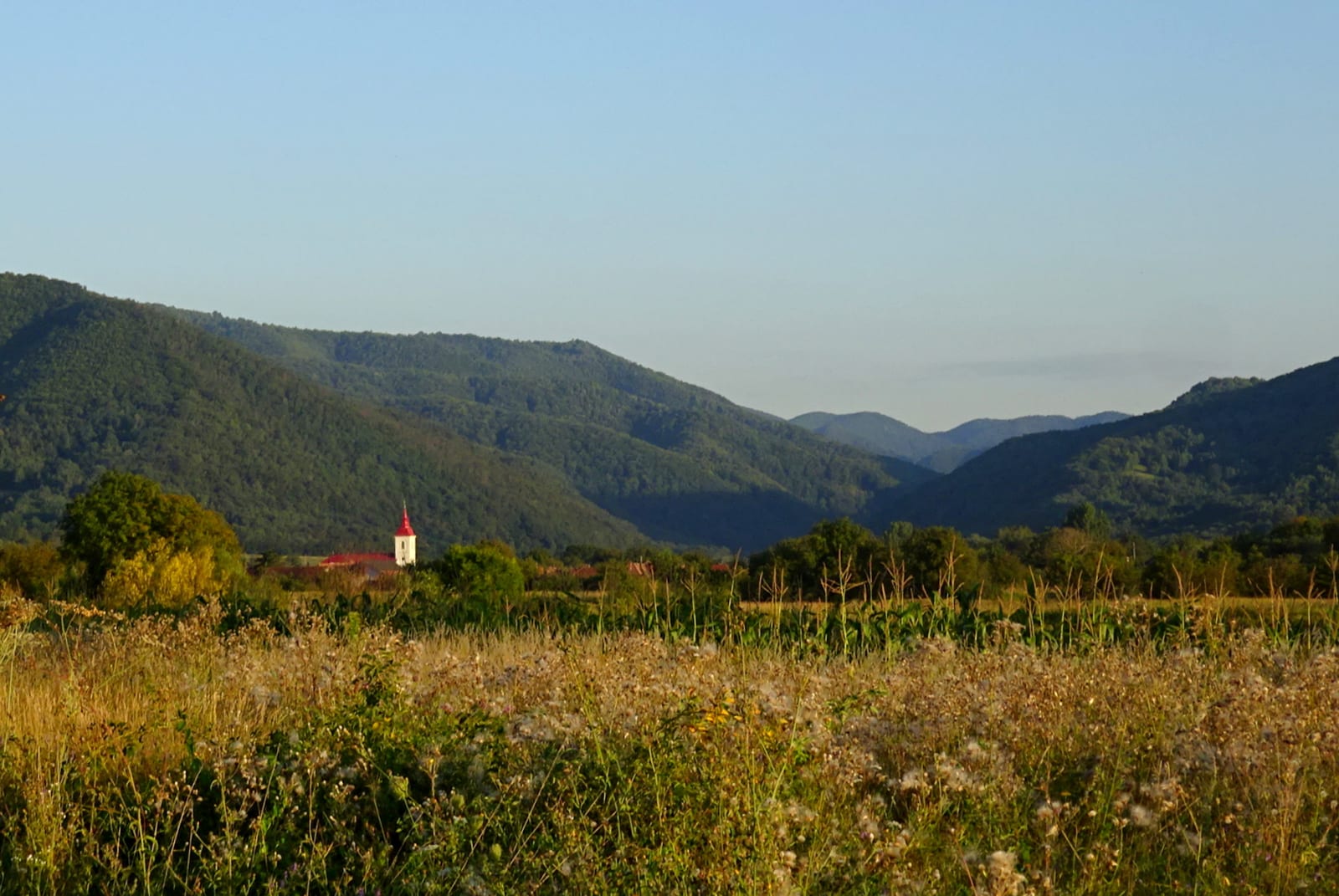
Ohaba Ponor – Ponorici-Cioclovina Cave trail
A trail through the Șura Mare Gorge to the Ponorici-Cioclovina karst system, the longest cave in the Șureanu Mountains.
Hațeg Country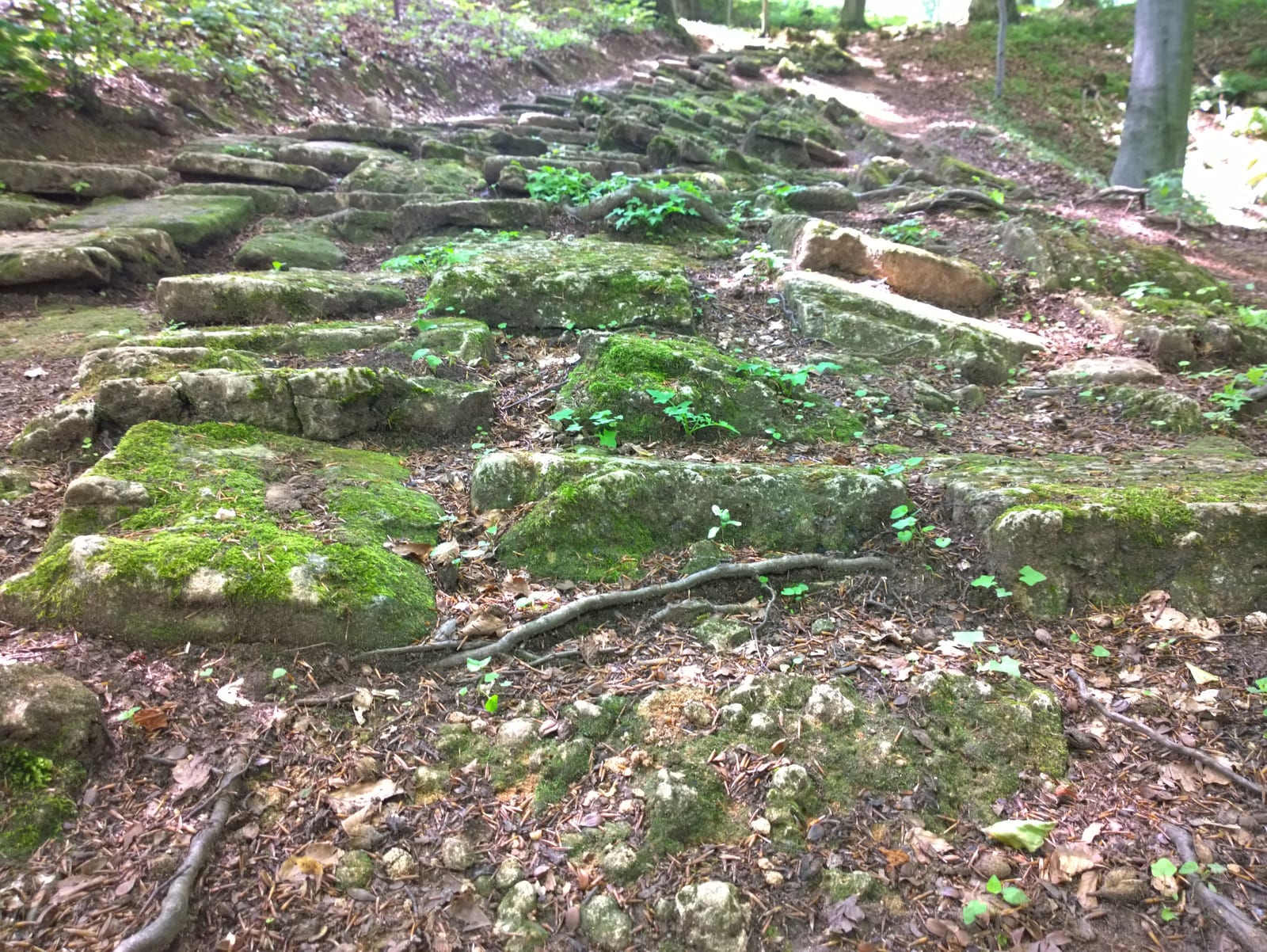
Grădiștea de Munte – Piatra Roșie Fortress – Cioclovina Cave trail
A trail linking Sarmizegetusa Regia to Piatra Roșie Fortress and to Cioclovina Cave.
Șureanu Mountains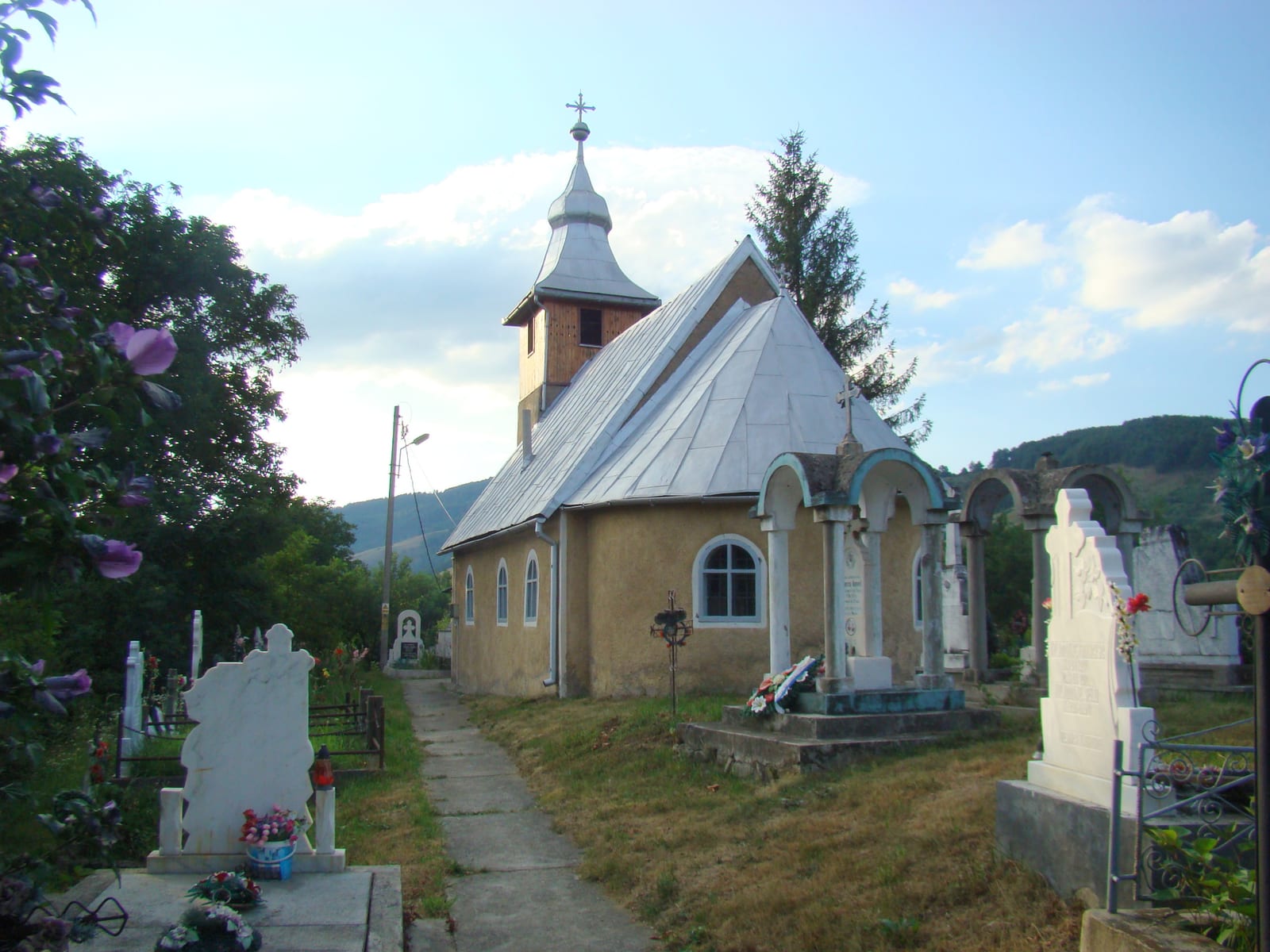
Church of the Descent of the Holy Spirit, Ponor
A stone church from 1769, painted in 1846, in the village below the Șureanu where the Ponori knezes lived.
Pui